
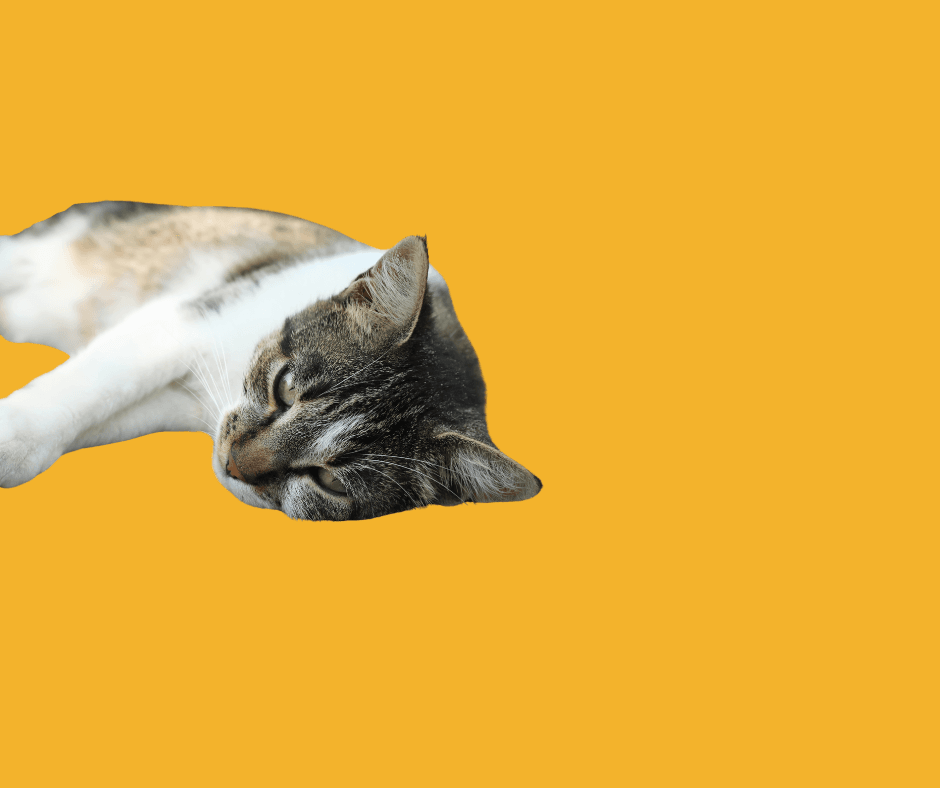
What If Your Cat Has an Accident?
What If Your Cat Has an Accident?
You walk into the living room and notice something you definitely weren't expecting—your cat has peed on the carpet. Or maybe you find poop beside the litter box instead of inside it.
Your first reaction might be frustration, especially if your cat has been perfectly litter-trained for years. But when a cat suddenly has an accident outside the litter box, punishment isn't the answer. Cats generally don't do this to annoy you or “get revenge.”
An accident can happen because of a dirty litter box, stress, a change in litter, difficulty reaching the box, or even a medical problem. Here's what you should do.
1. Don't Punish Your Cat
Never yell at, hit, or rub your cat's nose in the accident. Your cat may not understand why you're angry. Punishment can instead make them frightened or stressed, potentially making litter box problems worse.
If you've recently run out of litter, changed litter brands, moved the litter box, or allowed the box to become too dirty, your cat may simply be looking for another place to go. Focus on finding the reason rather than punishing the behavior.
2. Clean the Accident Properly
Cleaning the area thoroughly is extremely important. Cats have a much stronger sense of smell than humans. Even if you can't smell urine anymore, your cat may still detect it and associate that location with going to the bathroom.
Use a pet-appropriate enzymatic cleaner designed for urine and other pet messes. These products are intended to break down odor-causing material rather than simply covering the smell with fragrance.
Avoid using strongly scented household products without checking whether they're safe around pets. The goal is simple: remove the stain and the lingering odor.
3. Check the Litter Box
Next, inspect your cat's litter box. Ask yourself: Is the box clean? Is there enough litter? Did you recently change the litter? Is the box difficult for your cat to access? Have you moved it somewhere new? Is another pet preventing your cat from reaching it? Is the location noisy or uncomfortable?
Cats can be surprisingly particular about their bathroom environment. Even something that seems insignificant to you—such as switching from unscented to scented litter—may matter to your cat. If you recently ran out of their regular litter, restore their normal setup as soon as possible.
4. Consider Stress and Household Changes
Cats often rely heavily on routine. Moving house, introducing another pet, bringing home a new baby, having visitors, changing furniture, or even altering your daily schedule can potentially cause stress.
If accidents started after a significant change, consider whether your cat needs a quieter, more predictable environment and easier access to their litter box. Don't assume every accident is behavioral, though.
5. Know When to Contact Your Veterinarian
A cat that suddenly starts urinating or defecating outside the litter box may have an underlying health problem.
Pay particular attention if your cat frequently enters the litter box, strains while urinating, produces very little or no urine, cries while trying to urinate, has blood in the urine, excessively licks the genital area, seems unusually tired or uncomfortable, or suddenly changes its bathroom habits.
Difficulty or inability to urinate can be a veterinary emergency, particularly in male cats. Seek veterinary care promptly if your cat appears unable to pass urine. Even without emergency symptoms, repeated unexplained accidents are worth discussing with your veterinarian.
6. Make the Litter Box More Appealing
Once medical concerns have been addressed, make using the litter box as easy as possible. Scoop it regularly, keep an adequate amount of your cat's preferred litter available, and place the box somewhere accessible.
If you have several cats, having multiple litter boxes in different locations can also help reduce competition. Most importantly, don't wait until the litter bag is completely empty before buying more.
Keeping one unopened backup bag can prevent a simple supply problem from becoming a stressful situation for both you and your cat.
Petsocare helps pet parents discover everyday essentials from pet stores through one marketplace, including cat litter, food, treats, toys, and other supplies.
An Accident Is Usually a Signal
Finding pee on your carpet isn't pleasant. But instead of thinking, “Why is my cat behaving badly?”, ask: “What changed?”
Maybe the litter box wasn't clean enough. Maybe you ran out of their usual litter. Maybe your cat is stressed. Or perhaps they're trying to tell you that something doesn't feel right.
Clean the accident thoroughly, restore a comfortable litter-box environment, observe your cat carefully, and seek veterinary advice when the behavior is sudden, persistent, or accompanied by concerning symptoms.
Your carpet might call it an accident. Your cat might be telling you something important.