
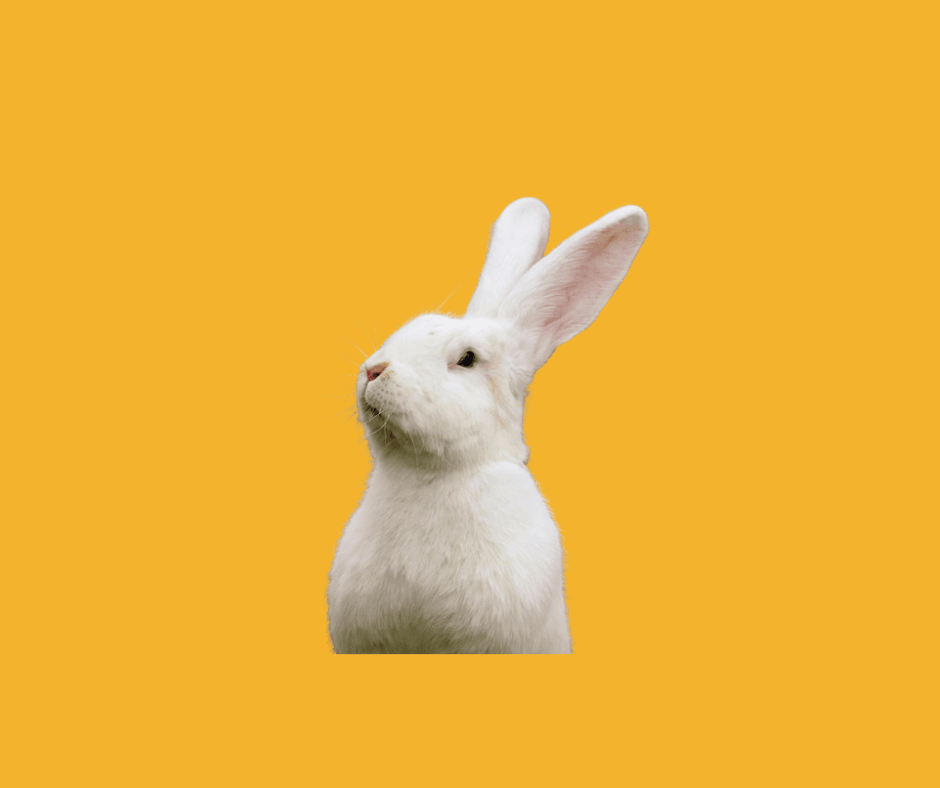
Rabbits naturally spend significant amounts of time searching for and eating plant material.
Can Rabbits Eat Radish Leaves? Benefits, Risks & Feeding Guide
When preparing radishes in the kitchen, many people cut off the leafy green tops and throw them away.
But if you have a pet rabbit, you might wonder whether those leaves could make a healthy addition to their diet.
Yes, rabbits can eat radish leaves. Radish tops are listed among rabbit-safe leafy greens by rabbit welfare organizations, including the House Rabbit Society.
However, they should be introduced gradually and offered as part of a varied diet rather than replacing hay or becoming the only vegetable your rabbit eats.
Are Radish Leaves Safe for Rabbits?
Radish leaves come from the radish plant, scientifically known as Raphanus sativus.
Both common radish tops and daikon radish greens are included in rabbit-safe vegetable lists.
Unlike many sugary treats, leafy greens can contribute variety and nutrients without becoming the main source of calories in a rabbit's diet.
Still, every rabbit has an individual digestive tolerance. A food that is safe for most rabbits may cause digestive changes when introduced too quickly or offered in excessive amounts.
Nutritional Benefits of Radish Leaves
1. They Provide Dietary Variety
Rabbits benefit from eating different suitable leafy greens rather than relying on one vegetable every day.
Rotating greens helps provide a broader range of nutrients and encourages natural feeding behaviors.
2. They Contain Plant Nutrients
Radish leaves contain naturally occurring vitamins, minerals, and plant compounds.
The exact nutritional composition depends on the variety, growing conditions, freshness, and serving size.
However, leafy greens are supplementary foods. They should not replace the high-fiber grass hay that supports rabbit digestion and dental health.
3. They Encourage Foraging
Offering a selection of safe leafy greens can support enrichment and encourage exploratory feeding behavior.
How Much Radish Leaf Can a Rabbit Eat?
There is no universally established daily serving of radish leaves for every rabbit.
Portions depend on body weight, age, health, and the amount of other fresh vegetables being offered.
The House Rabbit Society provides a general guideline of approximately one cup of mixed leafy greens per two pounds of body weight daily, although individual requirements can vary.
Radish leaves should make up only part of that selection.
For a rabbit that has never eaten radish greens, begin with a small washed leaf or a small portion mixed with familiar greens.
Monitor appetite, droppings, and behavior before increasing the amount.
How to Prepare Radish Leaves for Rabbits
- Choose fresh, healthy radish leaves.
- Discard leaves that are moldy, spoiled, or visibly contaminated.
- Wash thoroughly under running water.
- Remove dirt and damaged portions.
- Offer plain leaves without oil, salt, seasoning, or dressing.
- Remove uneaten greens before they spoil.
Only offer leaves from plants you can confidently identify and that have not been exposed to unsafe chemicals.
Can Rabbits Eat Radish Roots Too?
Radish roots are also listed as rabbit-safe vegetables, but they should be treated differently from leafy greens.
The root is not a replacement for the fiber-rich foods rabbits need every day.
If offering radish root, provide only a small portion and observe how your rabbit responds.
What Should a Healthy Rabbit Diet Include?
A healthy rabbit diet should be built around unlimited access to appropriate grass hay.
The Merck Veterinary Manual emphasizes that hay should form the overwhelming majority of a rabbit's diet because fiber is essential for normal gastrointestinal function.
Fresh leafy greens, measured portions of suitable rabbit pellets, and clean drinking water complete the feeding routine.
Sweet fruits and other calorie-dense treats should remain occasional extras.
When Should You Stop Feeding Radish Leaves?
Stop introducing new vegetables and contact a rabbit-experienced veterinarian if your rabbit develops persistent soft stool, bloating, unusual discomfort, or reduced appetite.
A rabbit that stops eating or producing normal droppings needs urgent veterinary assessment. Gastrointestinal stasis can become life-threatening.
Frequently Asked Questions
Can baby rabbits eat radish leaves?
Young rabbits have age-specific dietary requirements. Ask a rabbit-experienced veterinarian before introducing unfamiliar fresh foods to a young rabbit.
Can rabbits eat radish leaves every day?
Radish leaves can be part of a rotating selection of suitable greens, but relying on one vegetable exclusively is not recommended.
Are daikon radish leaves safe?
Yes. Daikon radish greens are included in rabbit-safe vegetable guidance.
Final Thoughts
Radish leaves can be a useful addition to a rabbit's fresh vegetable rotation.
Wash them thoroughly, introduce them gradually, and offer them alongside other appropriate greens.
Most importantly, remember that leafy vegetables complement hay rather than replace it.
Petsocare helps small-pet owners discover hay, suitable pellets, feeding accessories, and other rabbit essentials through its pet marketplace.
A varied diet, plenty of hay, and careful observation are far more important than any single vegetable.