
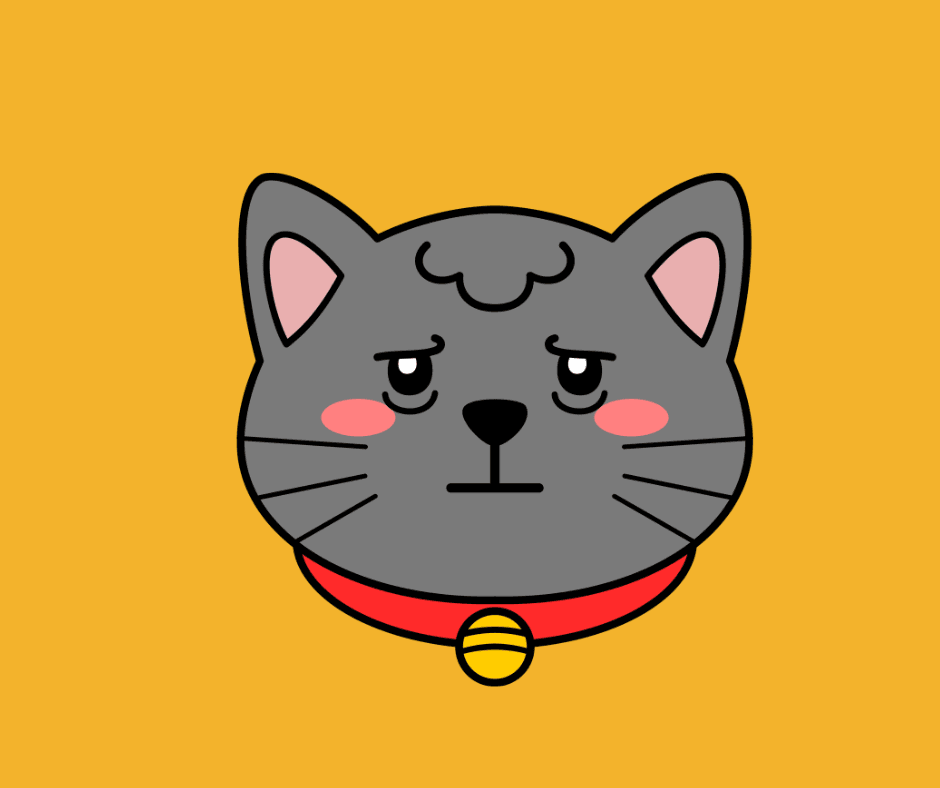
How to Reduce Stress and Anxiety in Pets
Pets, just like humans, can experience stress and anxiety. Changes in environment, routine, or unfamiliar situations can make them feel uneasy. If not managed properly, stress can lead to behavioral issues and even health problems. Understanding how to reduce stress and anxiety in pets helps create a calm, safe, and happy environment for your furry companions. A relaxed pet is healthier, more responsive, and easier to care for.
Common Causes of Stress in Pets
Pets can become stressed for many reasons. Changes such as moving to a new home, introduction of new people or pets, loud noises, or being left alone for long periods can trigger anxiety. Even small disruptions in routine can affect sensitive pets. Identifying the cause of stress is the first step toward helping your pet feel more comfortable. Understanding triggers allows pet owners to take appropriate action.
Recognizing Signs of Anxiety
Pets often show stress through changes in behavior. Common signs include excessive barking or meowing, hiding, restlessness, loss of appetite, or destructive behavior like chewing or scratching. Some pets may also show physical symptoms such as trembling or excessive grooming. Observing these signs early helps prevent the problem from becoming more serious. Awareness is key to managing anxiety effectively.
Creating a Safe and Comfortable Environment
Providing a safe space is one of the most effective ways to reduce anxiety. Pets need a quiet area where they can relax without disturbances. A comfortable bed, familiar toys, and a calm environment help pets feel secure. Consistency in their surroundings also reduces stress. A stable environment builds confidence in pets.
Maintaining a Consistent Routine
Pets thrive on routine. Feeding, walking, and playtime should happen at consistent times each day. A predictable schedule helps pets understand what to expect, which reduces uncertainty and anxiety. Sudden changes in routine can make pets feel insecure. Consistency creates a sense of stability.
Providing Mental and Physical Stimulation
Lack of activity can increase stress levels in pets. Regular exercise and interactive play help release energy and reduce anxiety. Mental stimulation through toys, training sessions, or games keeps pets engaged and prevents boredom. Active pets are less likely to develop stress-related behaviors. Balanced activity supports both mental and physical health.
Using Positive Reinforcement
Positive reinforcement encourages calm and desirable behavior. Rewarding pets with treats, praise, or affection when they behave calmly helps them associate certain situations with positive experiences. Avoid punishing anxious behavior, as it can increase fear and stress. Gentle encouragement works better in building confidence. Positive interactions strengthen trust.
Gradual Exposure to Stressful Situations
If a pet is afraid of certain situations, gradual exposure can help them adjust. For example, slowly introducing them to new environments or people allows them to become comfortable over time. Patience is important during this process. Rushing can increase anxiety instead of reducing it. Step-by-step exposure builds confidence.
Social Interaction and Bonding
Spending quality time with your pet helps reduce feelings of loneliness and anxiety. Simple activities like playing, grooming, or talking to your pet can strengthen your bond. Pets that feel connected to their owners are generally more secure and less anxious. Strong relationships contribute to emotional stability.
When to Seek Professional Help
If anxiety becomes severe or persistent, professional help may be needed. Trainers, behavior specialists, or veterinarians can provide guidance and solutions tailored to your pet’s needs. Early intervention can prevent long-term behavioral issues.
How Petsocare Helps Reduce Pet Stress
Petsocare connects pet owners with services and products that support pet well-being. From grooming services to interactive toys and professional care providers, the platform helps pet owners manage their pets’ needs more effectively. Access to trusted services makes it easier to maintain a stress-free environment for pets.
Final Thoughts
Learning how to reduce stress and anxiety in pets is essential for maintaining their happiness and overall health. By understanding triggers, creating a safe environment, and providing consistent care, pet owners can help their pets feel calm and secure. With patience, attention, and the right approach, pets can overcome anxiety and enjoy a more balanced and comfortable life.