
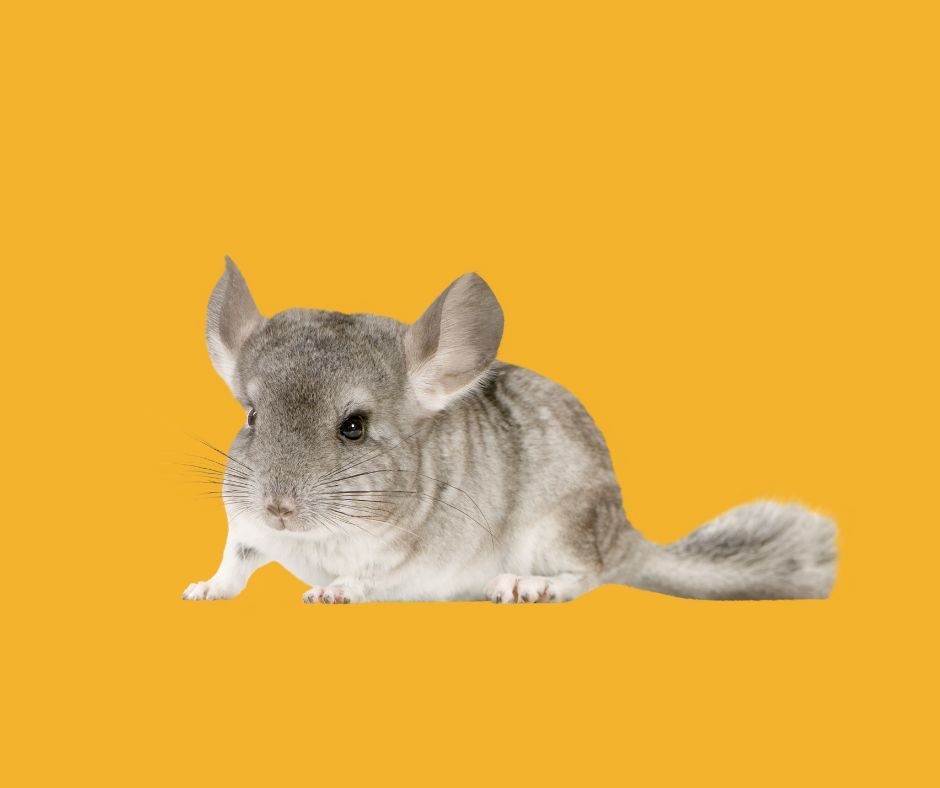
Can You Have a Chinchilla as a Pet?
Chinchillas are unique, soft-furred animals that are gaining popularity as exotic pets. Their playful behavior and adorable appearance make them appealing, but they are very different from traditional pets like dogs or cats. Understanding can you have a chinchilla as a pet helps you decide if they are the right fit for your lifestyle. The answer is yes—you can have a chinchilla as a pet, but only if you are prepared to meet their specific care needs.
What Makes Chinchillas Different?
Chinchillas are small rodents known for their extremely soft fur and active nature. They are native to cooler climates and are highly sensitive to heat and humidity. They are also nocturnal or crepuscular, meaning they are most active during the evening and night. This makes their routine different from many other pets. Understanding their natural behavior is important before bringing one home.
Are Chinchillas Easy to Care For?
Chinchillas are not considered low-maintenance pets. While they don’t require walks like dogs, they do have specific environmental and dietary needs. They require a cool and well-ventilated environment, a large cage with space to jump and climb, a specialized diet, and regular dust baths instead of water baths. Their care routine is simple once understood, but it requires consistency and attention.
Space and Habitat Requirements
Chinchillas are very active and need enough space to move freely. A multi-level cage is ideal, as they enjoy jumping and climbing. Their habitat should include shelves or platforms, a hiding area, and chew toys for dental health. Maintaining a clean and safe environment is essential for their well-being.
Diet and Nutrition
A proper diet is crucial for chinchillas. They primarily eat high-quality hay as their main diet, specialized chinchilla pellets, and occasional treats in small amounts. They should not be fed sugary or high-moisture foods, as this can cause digestive issues. Fresh water must always be available.
Grooming and Hygiene
Chinchillas have very dense fur and should never be bathed in water. Instead, they require regular dust baths to keep their coat clean and healthy. Providing a dust bath a few times a week helps remove oils and dirt from their fur. Proper hygiene is important to prevent skin problems.
Social Behavior and Interaction
Chinchillas can form bonds with their owners, but they are generally more independent than some other pets. They may not enjoy being handled frequently, especially at first. With patience and gentle interaction, they can become more comfortable over time. They are best suited for owners who respect their space and behavior.
Lifespan and Commitment
Chinchillas have a long lifespan compared to other small pets, typically living 10 to 15 years or more. This makes them a long-term commitment, and potential owners should be prepared to care for them over many years.
Are Chinchillas Good for Beginners?
Chinchillas can be suitable for beginners, but only if the owner is willing to learn their specific needs. They are not as simple as hamsters or guinea pigs and require more attention to environment and diet. They are best for people who have time to learn proper care, can maintain a cool environment, and prefer a quiet and low-noise pet.
How Petsocare Helps Exotic Pet Owners
Petsocare helps pet owners find essential supplies, care resources, and support for different types of pets, including chinchillas. From food to grooming needs, everything can be managed more easily with the right platform.
Final Thoughts
So, can you have a chinchilla as a pet? Yes—but only if you are prepared for their specific care requirements. They are unique, clean, and fascinating animals, but they need a controlled environment, proper diet, and gentle handling. With the right care and understanding, chinchillas can become rewarding and long-term companions.