
Can You Freeze Fresh Pet Dog Food? The Ultimate Guide for Pet Parents
If you have switched your dog to a fresh diet, you already know the benefits: more energy, a shinier coat, and better digestion. But because Petsocare uses real, whole ingredients without heavy preservatives, you might be wondering about storage. A common question we get is: “Can you freeze fresh pet dog food?” The answer is a resounding yes. Freezing is the smartest way to buy in bulk, save money, and ensure your pup never runs out of their favorite meals.
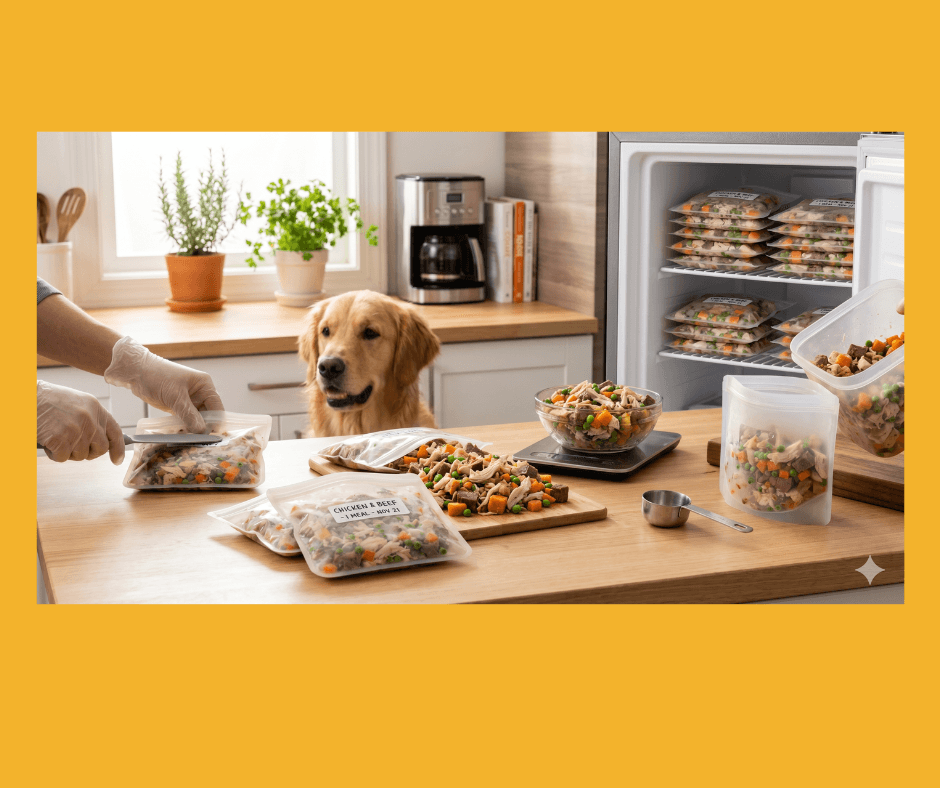
How to Freeze Fresh Dog Food Properly
Freezing helps lock in the nutrients of fresh meat and vegetables, but you need to follow a few simple steps to keep the quality high. Portion control is important—divide the food into individual meal sizes instead of freezing one large container. Use air-tight freezer-safe bags or silicone containers and remove excess air to prevent freezer burn. For best quality, use frozen food within six months. Always thaw safely by moving the portion into the refrigerator 24 hours in advance instead of leaving it at room temperature.
Is Fresh Food the Same as Raw?
There is often confusion about whether fresh food is raw. Most premium fresh dog food is not raw. Unlike raw diets, which carry a higher risk of bacteria such as Salmonella, fresh food is gently cooked at low temperatures. This process eliminates harmful pathogens while preserving essential nutrients, enzymes, and vitamins. It offers the benefits of whole food nutrition with the safety of cooked meals.
Managing Fresh Dog Food in the Fridge
Handling fresh dog food is similar to managing your own meals. Once opened or thawed, it should be consumed within three to five days. Store it in a sealed container to maintain freshness and prevent odor absorption. Ensure your refrigerator temperature is set to 4°C (40°F) or lower to keep the food safe and maintain quality.
Exploring Refrigerated Cat Food Options
The benefits of fresh food are not limited to dogs. Refrigerated cat food is becoming increasingly popular due to its high protein and moisture content. Cats, being obligate carnivores, benefit from diets that closely resemble their natural eating habits. Fresh food supports kidney health through hydration, helps with weight management, and improves palatability, even for picky eaters.
The Power of Cat Food with Beef
Beef-based recipes can be an excellent addition to a cat’s diet. Rich in essential amino acids, iron, and B-vitamins, beef supports immune health and overall vitality. Introducing variety, such as rotating protein sources, keeps meals interesting and nutritionally balanced for your pet.
Frequently Asked Questions (FAQ)
Can I refreeze the food if my dog doesn’t finish it? No, once thawed, the food should not be refrozen as it may lead to bacterial growth and affect texture.
Can I microwave the food to defrost it quickly? It’s best to avoid microwaving, as high heat can reduce nutritional value. Instead, place the sealed container in lukewarm water for faster thawing.
How do I know if the food has gone bad? Check for sour smell, slimy texture, or discoloration. If any of these signs appear, discard the food.
Is fresh food better than kibble? Fresh food generally contains more moisture and fewer fillers, leading to better digestion, improved nutrient absorption, and overall health benefits.
Final Thoughts
So, can you freeze fresh pet dog food? Absolutely. Freezing is a safe and effective way to preserve quality, maintain nutrition, and manage your pet’s meals efficiently. With proper storage, thawing, and handling practices, you can ensure your dog enjoys fresh, healthy food every day while making your routine more convenient.