
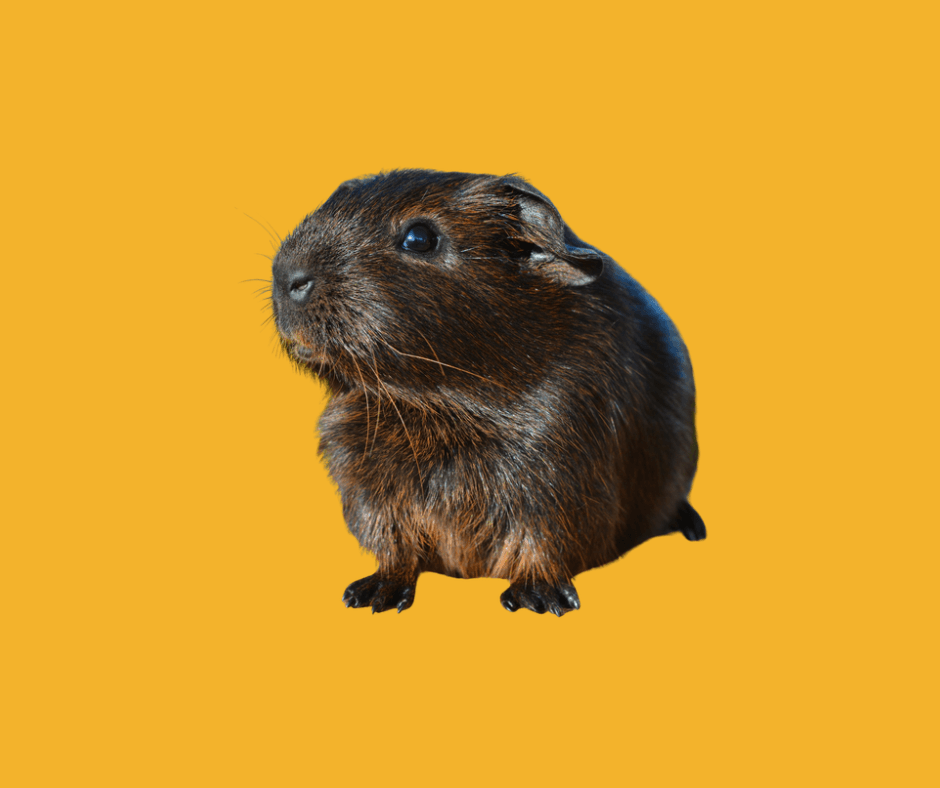
Can Guinea Pigs Eat Honeydew Melon? Benefits, Risks & Feeding Tips
Honeydew melon is sweet, juicy, and refreshing. If you're enjoying a slice and your guinea pig starts squeaking for a taste, you might wonder whether sharing a little is safe.
Guinea pigs can generally eat a small amount of ripe honeydew melon as an occasional treat. However, its natural sugar content means it should never become a regular replacement for hay, vegetables, or properly formulated guinea pig pellets.
Understanding what honeydew provides nutritionally, and what it doesn't, can help you make better feeding decisions.
Is Honeydew Melon Safe for Guinea Pigs?
Ripe honeydew flesh is not generally considered toxic to guinea pigs. However, being non-toxic does not automatically make a food suitable for large or frequent servings.
Guinea pigs have digestive systems adapted to consuming large amounts of fibrous plant material.
Sugary foods can disrupt their normal digestive balance, especially when introduced suddenly or offered in excessive quantities.
For that reason, honeydew is best treated as a small, occasional extra rather than an important dietary component.
What Nutrients Does Honeydew Melon Contain?
Honeydew melon contains water, carbohydrates, small amounts of fiber, potassium, and vitamin C.
According to standard food composition data, raw honeydew is approximately 90% water, although nutritional values vary with ripeness and variety.
This makes it a moisture-rich fruit, but its sweetness also comes from naturally occurring sugars.
Does Honeydew Provide Vitamin C?
Yes. Honeydew contains vitamin C, an essential nutrient for guinea pigs.
Unlike many other mammals, guinea pigs cannot produce sufficient vitamin C internally and must obtain it from their diet.
However, honeydew should not be relied upon as the main vitamin C source because it also contains sugar.
Bell peppers, suitable fresh vegetables, and properly formulated guinea pig pellets are more appropriate components of a consistent vitamin C feeding plan.
How Much Honeydew Can Guinea Pigs Eat?
There is no established research-based honeydew serving size that applies to every guinea pig.
For a healthy adult guinea pig, a very small, bite-sized piece of peeled honeydew flesh can be considered an occasional treat.
Begin with less than you think is necessary, especially if your guinea pig has never eaten melon before.
Don't offer a large slice or a bowl of fruit.
Guinea pigs that are overweight, have digestive problems, or require dietary restrictions may be better off avoiding sugary fruit altogether.
How to Prepare Honeydew Melon Safely
- Select a ripe, fresh honeydew melon.
- Wash the outside before cutting to reduce the transfer of surface contamination.
- Remove the tough outer rind.
- Remove the seeds and seed-containing center.
- Cut a very small piece of the soft flesh.
- Offer it plain, without sugar or other ingredients.
- Remove uneaten fruit promptly.
Avoid canned melon in syrup, sweetened fruit products, and processed melon snacks.
Can Guinea Pigs Eat Honeydew Rind or Seeds?
For routine feeding, it is safest to offer only the soft, ripe flesh.
The rind is tough and may carry dirt or agricultural residues, while the seeds and surrounding material provide no necessary dietary benefit.
Removing these parts also makes portion control easier.
Why Hay Matters More Than Fruit
The Merck Veterinary Manual recommends unlimited access to good-quality grass hay, such as timothy or orchard grass, as the foundation of a healthy adult guinea pig's diet.
Hay provides essential fiber and helps wear down teeth that continue growing throughout the animal's life.
Fresh vegetables and appropriate guinea pig pellets provide additional nutrients.
Fruit should remain an occasional treat, not a daily nutritional requirement.
What Happens If a Guinea Pig Eats Too Much Honeydew?
Eating too much sugary fruit may contribute to loose stools, digestive discomfort, and an unbalanced diet.
Watch for reduced appetite, diarrhea, bloating, or unusual behavior after introducing new foods.
If your guinea pig stops eating, produces fewer droppings, or appears unwell, contact an exotic-animal veterinarian promptly.
Frequently Asked Questions
Can guinea pigs eat honeydew every day?
No. Honeydew is better reserved as an occasional treat because of its sugar content.
Is honeydew better than cantaloupe for guinea pigs?
Both are sweet melons and should be offered sparingly. Neither is necessary for a nutritionally complete guinea pig diet.
Can baby guinea pigs eat honeydew?
Young guinea pigs have specific nutritional requirements. Prioritize age-appropriate hay, pellets, and veterinary-recommended vegetables rather than sugary treats.
Final Thoughts
Honeydew melon can add occasional variety to your guinea pig's diet, but moderation matters.
Serve only a small amount of ripe, peeled flesh, introduce it gradually, and monitor your pet's digestion.
Petsocare helps small-pet owners discover hay, guinea pig pellets, feeding accessories, and other essential supplies from participating pet stores.
Remember: your guinea pig needs plenty of fiber and dependable vitamin C sources far more than it needs a sweet fruit treat.